


A small crack, persistent sensitivity, or an old filling that's starting to fail may not seem like a big deal at first. However, these issues can sometimes indicate that a tooth needs more support than a traditional filling can provide. When a tooth is weakened, a dental crown can help protect it, restore its strength, and prevent further damage.
Dental crowns are commonly recommended for teeth that are cracked, severely worn, heavily filled, or weakened after root canal treatment. While the idea of getting a crown may sound like a lengthy process, modern dental technology has made treatment more convenient than ever.
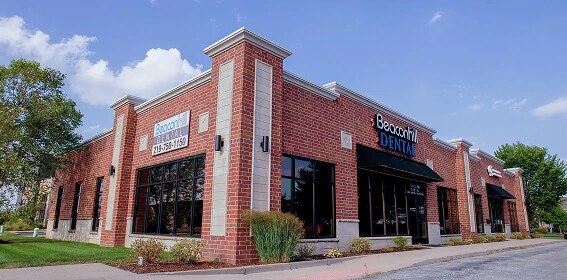
At Beacon Hill Dental in Crown Point, IN, patients can benefit from CEREC same-day dental crowns. Using advanced digital scanning and in-office fabrication technology, the team can design, create, and place a custom crown in a single appointment. Here's what to know about dental crowns, the signs you may need one, and how same-day treatment works.
What Is a Dental Crown?
A dental crown is a custom-made restoration that fits over the visible portion of a tooth, covering it like a protective cap. It restores the tooth's shape, size, strength, and appearance while helping protect the remaining natural structure.
Unlike a dental filling, which repairs a specific area of a tooth, a crown covers and reinforces the entire visible portion above the gumline. This makes it a helpful option when a tooth has experienced more extensive damage or needs additional structural support.
Crowns can be made from several materials, including porcelain, ceramic, and zirconia. At Beacon Hill Dental, patients can explore different crown materials based on their dental needs, preferences, and the location of the tooth being restored.
6 Signs You May Need a Dental Crown
Not every damaged tooth requires a crown, but certain symptoms and dental conditions may indicate that additional protection is necessary. Your dentist can evaluate the tooth and recommend the most appropriate restoration.
Here are some common reasons a dental crown may be recommended.
1. You Have a Cracked or Broken Tooth
A tooth can crack from biting down on something hard, an injury, or years of everyday wear. Even a small crack can become a bigger problem if the tooth continues to experience pressure from chewing.
Depending on the location and severity of the damage, a dental crown may help hold the remaining tooth structure together and protect it from further cracking. If a crack extends too deeply below the gumline, however, a crown may not be enough to save the tooth.
2. Your Tooth Has a Large or Failing Filling
Dental fillings are effective for repairing cavities, but larger fillings can leave less natural tooth structure behind. Over time, the remaining walls of the tooth may become more vulnerable to fractures.
If an older filling is damaged or a tooth has become weakened around a large restoration, your dentist may recommend replacing it with a crown. This provides additional coverage and support.
3. Your Tooth Is Severely Worn Down
Teeth can gradually wear down due to grinding, clenching, acid erosion, or other factors. Significant wear may change the shape of a tooth, affect your bite, and make chewing uncomfortable.
A dental crown can restore the tooth's original shape and provide a protective surface. If grinding is contributing to the damage, your dentist may also discuss ways to reduce pressure on your teeth.
4. You've Had a Root Canal
Root canal treatment removes infected or damaged tissue from inside a tooth, allowing the natural tooth to remain in place. However, teeth that require root canal therapy may have significant existing damage or become more susceptible to fractures, particularly back teeth that experience substantial chewing forces.
A dental crown is often recommended after root canal treatment to help protect the remaining tooth structure and restore its function.
5. You're Experiencing Pain or Sensitivity When Biting
Discomfort when chewing or biting down can have several causes, including cracks, decay, or damage to an existing filling. You may also notice sensitivity to hot or cold temperatures.
These symptoms don't automatically mean you need a crown, but they are worth having evaluated. Addressing the underlying issue early can help prevent additional damage.
6. Your Tooth's Appearance Has Changed
Crowns can also improve the appearance of teeth that are severely discolored, misshapen, or damaged. When a tooth needs both structural support and cosmetic improvement, a crown may offer a way to restore its appearance while protecting its function.
What Happens If You Don't Restore a Damaged Tooth?
It can be tempting to put off dental treatment if a damaged tooth isn't causing much discomfort. However, waiting too long can allow the underlying problem to progress.
A small crack may spread under continued chewing pressure, potentially making the tooth more difficult to repair. A weakened tooth with a large filling may eventually fracture, while untreated decay can continue to spread deeper into the tooth.
In some cases, damage or decay can reach the inner pulp, leading to infection and the need for root canal treatment. If the tooth becomes too damaged to restore, extraction may eventually be necessary.
Not every damaged tooth will follow this progression, but prompt evaluation gives your dentist a better opportunity to address the problem before it becomes more complicated. If you notice a crack, persistent pain, or a change in how your tooth feels when biting, schedule an appointment rather than waiting for symptoms to worsen.
How Do Same-Day Dental Crowns Work?
Traditionally, getting a dental crown involved at least two appointments. The dentist would prepare the tooth, take a physical impression, and send the information to an outside dental laboratory. Patients would typically wear a temporary crown while waiting for the permanent restoration to be made.
With CEREC technology, many of these steps can happen right in the dental office.
At Beacon Hill Dental, CEREC technology allows the team to design, fabricate, and place a custom crown in a single visit. Here's a general look at how the process works:
Step 1: Examination and Tooth Preparation
First, your dentist examines the affected tooth and determines whether a crown is the right treatment. Once the treatment plan is established, the tooth is carefully prepared by removing damaged or weakened areas and shaping it to accommodate the restoration.
Local anesthesia is typically used to keep you comfortable during this process.
Step 2: Digital Impressions
Instead of using traditional impression materials, CEREC technology uses a digital scanner to capture detailed images of your prepared tooth and surrounding teeth.
These images create a three-dimensional model that helps your dentist design a crown with the proper fit, shape, and bite alignment.
Step 3: Custom Crown Design and Fabrication
Using specialized computer software, your dentist designs a crown based on the digital model. The design is then sent to an in-office milling machine, which creates the restoration from a solid block of ceramic or zirconia material.
This process allows the crown to be made at the dental office rather than sent to an outside laboratory.
Step 4: Crown Placement
Once the crown is ready, your dentist checks its fit, shape, and bite before bonding it into place. Any necessary adjustments are made to help ensure the restoration feels comfortable and functions properly.
In many cases, you can leave the office with your permanent crown the same day.
What Are the Benefits of CEREC Same-Day Crowns?
Same-day crowns offer several advantages for patients who need to restore a damaged tooth.
- Fewer appointments: The entire process can typically be completed in one visit, making it easier to fit treatment into a busy schedule.
- No temporary crown: Because your permanent crown is made in the office, you generally don't need to wear a temporary restoration while waiting for a laboratory-made crown.
- Comfortable digital impressions: Digital scanning eliminates the need for traditional impression materials, which some patients find uncomfortable.
- Customized fit: Digital design technology helps create a restoration tailored to your tooth and bite.
- Natural appearance: Ceramic and zirconia materials can be selected to complement the appearance of your natural teeth.
- Durable protection: CEREC crowns are made from strong materials designed to withstand everyday chewing forces.
Beacon Hill Dental offers several crown material options, including zirconia, all-porcelain, and all-ceramic restorations. Your dentist can help determine which material is appropriate based on the tooth's location, your bite, and your treatment goals.
Are Same-Day Crowns Right for Everyone?
CEREC crowns are a convenient option for many patients, but not every tooth or dental situation is suitable for same-day treatment.
The extent of the damage, the amount of remaining tooth structure, your bite, and other oral health considerations can all affect which restoration is appropriate. Some cases may require additional treatment or a different type of restoration.
During your consultation, your dentist will evaluate the tooth and explain your options. The goal is to choose a treatment that provides the support and protection your tooth needs while considering your long-term oral health.
Restore and Protect Your Smile at Beacon Hill Dental in Crown Point, IN
If you have a cracked tooth, a large filling, or discomfort when chewing, don't wait for the problem to get worse. A dental crown may help restore your tooth's strength, protect it from additional damage, and get you back to enjoying your favorite foods comfortably.
At Beacon Hill Dental, patients can take advantage of modern CEREC technology to receive custom dental crowns in a single appointment. With digital impressions, in-office fabrication, and personalized treatment planning, the team makes restoring damaged teeth more convenient.
If you think you may need a dental crown, schedule a consultation with Beacon Hill Dental in Crown Point, IN. Contact us today to learn more about same-day CEREC crowns and find out if this treatment is right for your smile!


